Issue 01 · at home, slowly
Look through the repair window.
A calm, practical reading room for the strange hum, uneven heat, warm fridge door, or boiler message you noticed at home.
Information for noticing and preparing—not remote diagnosis or repair instructions.
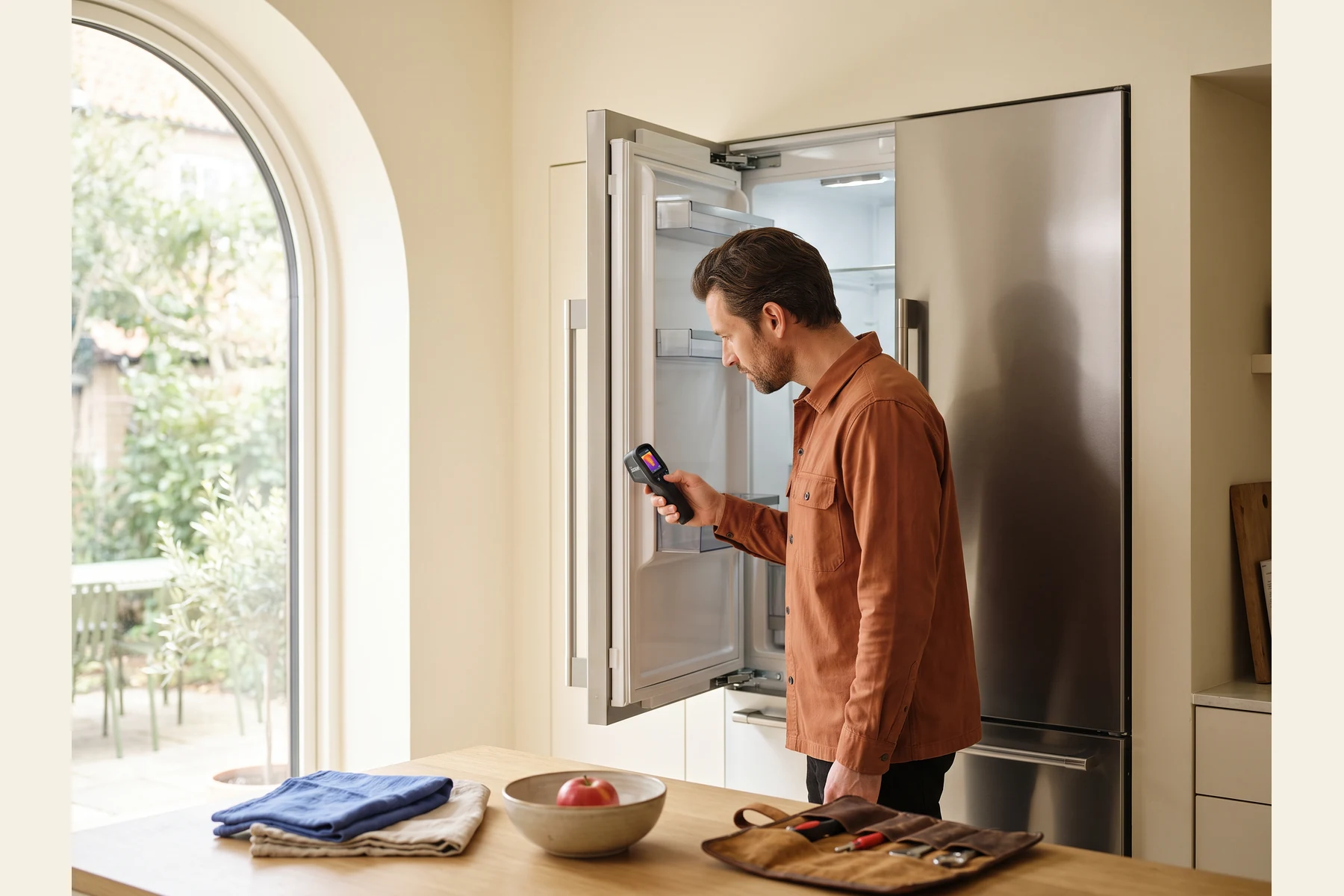
A safety margin
The observation window
Name the appliance. Keep the first note simple.
Choose a window below. These short readings help you describe a concern without taking apart, bypassing, or adjusting an appliance.
A fridge that is warmer, louder, or frosting up is a record to make—not a system to dismantle.
Safe to note Whether the interior feels warmer than usual, the door closes fully, a display shows a code, new frost is visible, or the sound is continuous or intermittent.
Do not continue if you see a damaged cable, smell burning, notice smoke, or find water at an electrical connection. Stop use if it does not feel safe and seek local qualified help.
Useful wording “The fridge has been warmer since this morning; the display reads normally; the sound cycles every few minutes.” Photos of a display can help a visit.
A boiler message, odd sound, or change in heat deserves a careful note and a qualified assessment.
Safe to note Any visible display message, when it appeared, whether rooms or taps feel different, and whether there is a visible change around the appliance.
Do not continue if you smell gas, see smoke or soot, feel unwell, hear alarming sounds, or see water near electrical parts. Do not remove covers or attempt combustion, gas, or electrical work.
Useful wording “The boiler display changed on Tuesday evening; hot water is inconsistent; no cover has been removed.” A qualified local professional can interpret the condition.
Uneven heat, a display issue, or a changed flame is a reason to pause and record what you can safely see.
Safe to note Which zone or oven function is affected, an error message, whether the concern is repeatable, and the last normal use—without touching hot surfaces or controls beyond ordinary use.
Do not continue if there is a gas smell, unexpected flame behavior, sparking, smoke, heat where it should not be, or a damaged lead. Leave the area and use appropriate local emergency guidance where needed.
Useful wording “The left-front zone is heating unevenly; the oven display is normal; I stopped using it when I noticed the change.”
Hot-water changes are not an invitation to open a gas appliance. They are a clear reason to observe and ask.
Safe to note Whether hot water is absent, inconsistent, or delayed; a visible display message; and when the change began. Keep children and pets away from the appliance while you decide what to do.
Do not continue if there is any gas smell, smoke, soot, unusual noise, water near electrics, or symptoms that make anyone feel unwell. Do not relight, reset repeatedly, or remove a cover.
Useful wording “Hot water became inconsistent this afternoon; the display shows a message; I have stopped trying to restart it.”
Three small observations
What you notice can make a later conversation clearer.
Write down the ordinary details that can otherwise disappear: time of day, a display message, which room, what was happening just before the change. Stop at observation—not intervention.
Build a visit note
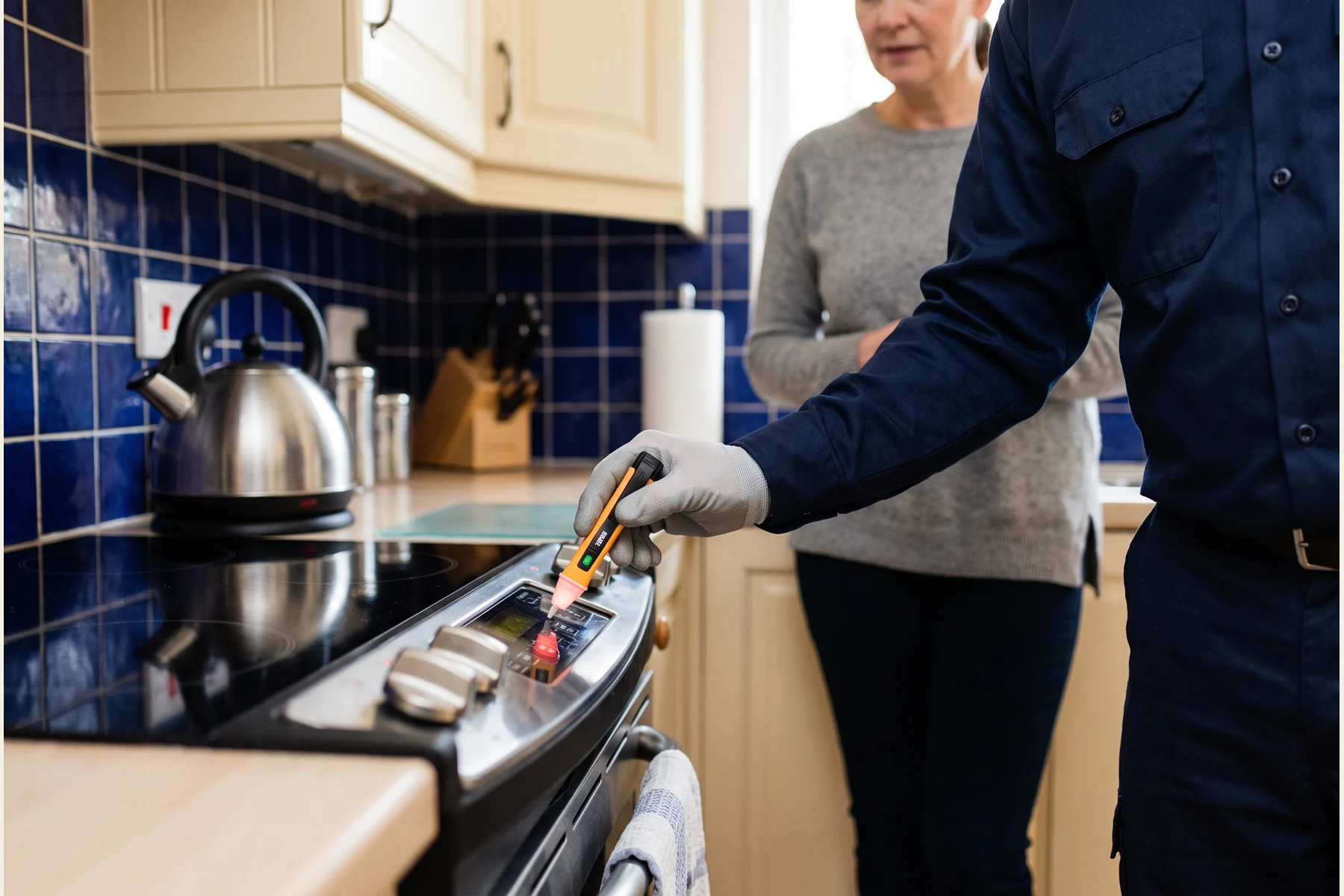
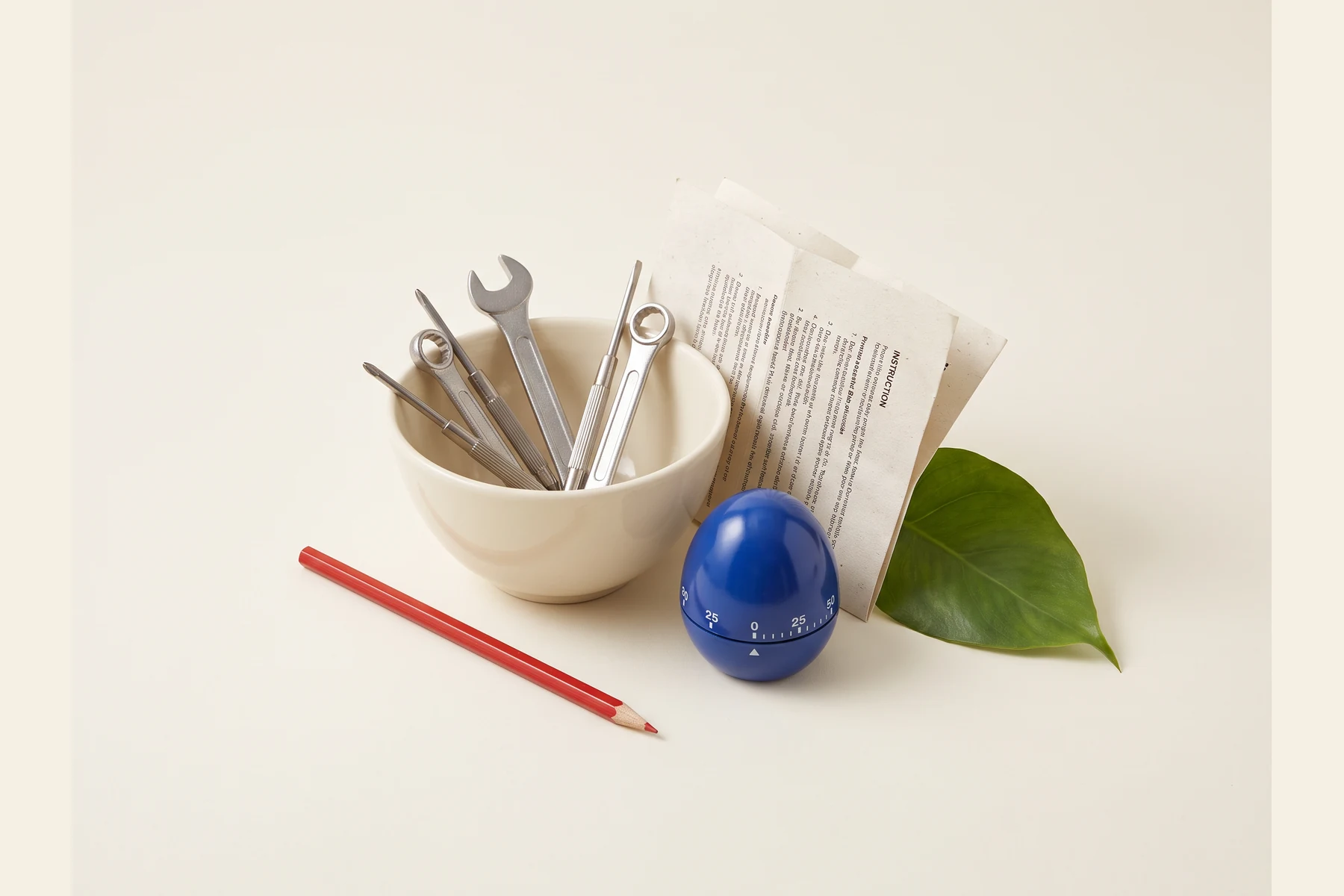
A field strip
A professional’s work begins with context—not a guess from across the room.

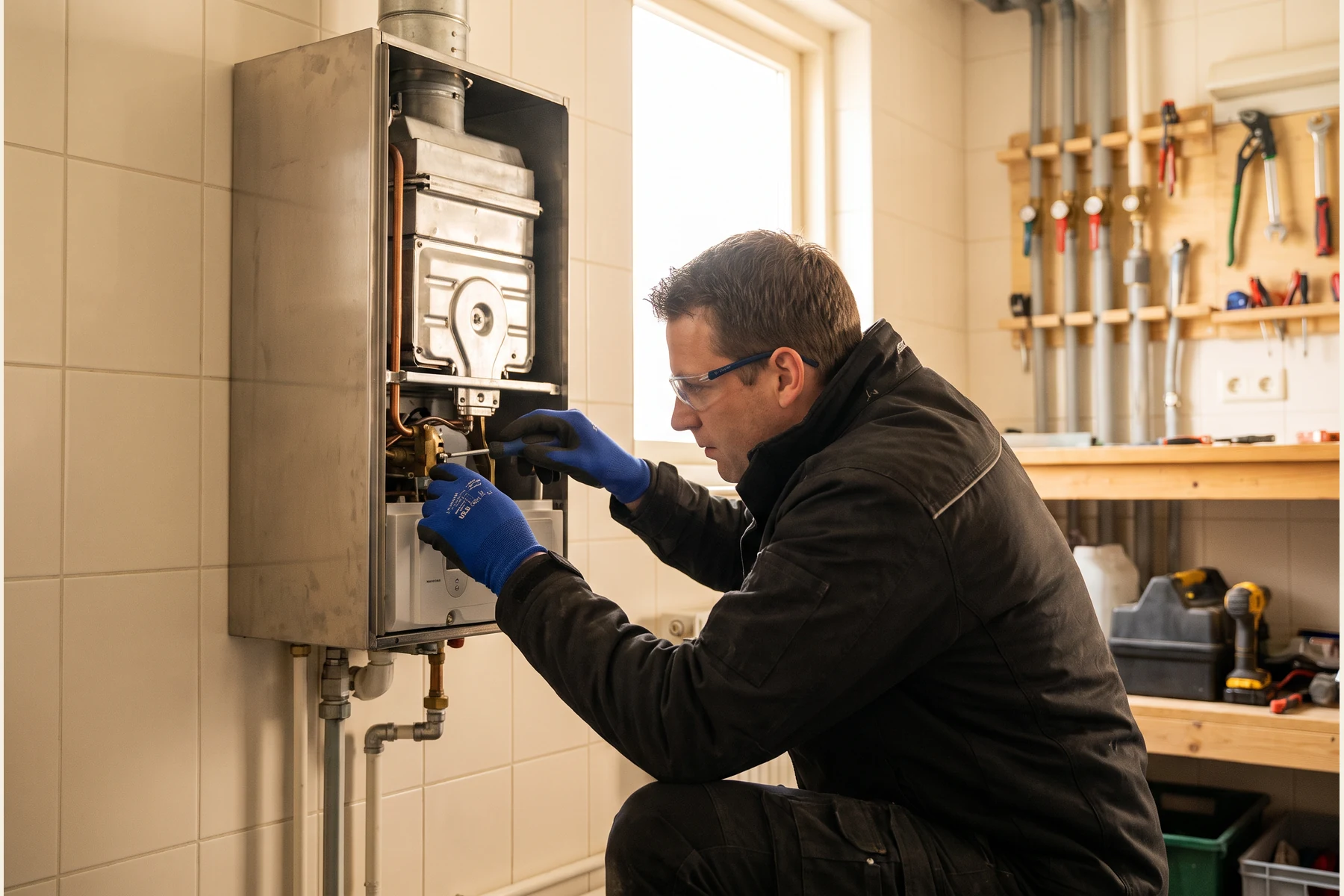
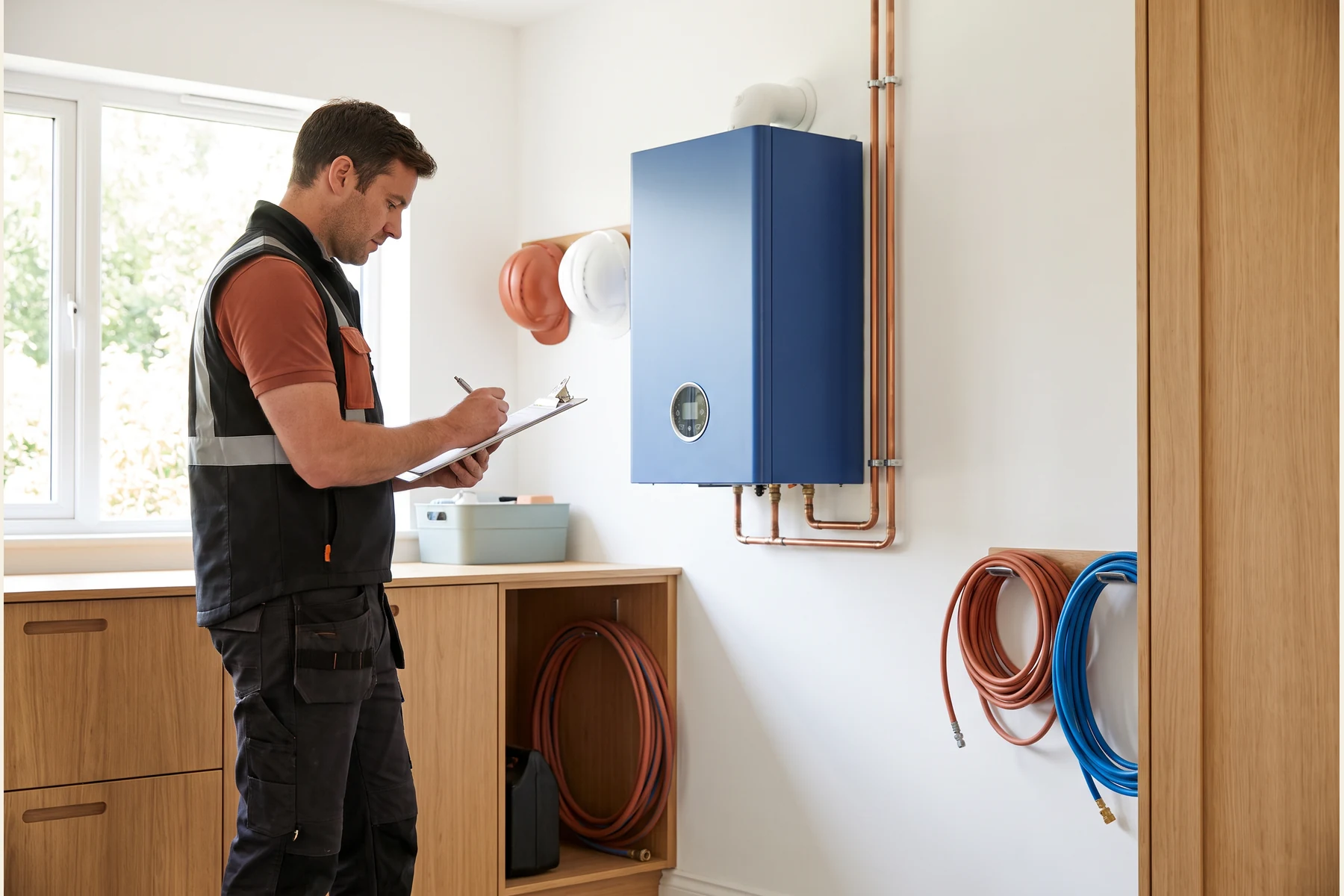
The transition from noticing to hands-on work belongs with someone qualified for the appliance and the system involved.
A care timeline
The moment a concern arrives
- 01
Notice
See, hear, smell, or feel a change. If there is a danger sign, step away rather than investigating.
- 02
Pause
Do not open covers, force parts, defeat safety features, or keep repeating resets to make a symptom disappear.
- 03
Record
Capture the appliance type, display wording, location, and a simple timeline. A safe photograph may be useful.
- 04
Ask
Choose a suitably qualified local professional for gas, electrical, sealed-system, combustion, or internal work.
A firm line
When not to continue
Stop using an appliance and move to a safer place when there is a gas smell, smoke, sparks, overheating, a burning smell, visible damage, water near electricity, soot, unusual flame behavior, or anyone feels unwell. Do not attempt a repair. Follow appropriate local emergency or utility guidance for immediate hazards, then use a qualified professional.
Before-visit paper tray
Collect the notes a qualified visitor may actually need.
Choose only what you can gather safely from a label, display, manual, or your memory.
This checklist does not book a visit or assess urgency. It is simply a paper-tray note for a conversation you arrange yourself.
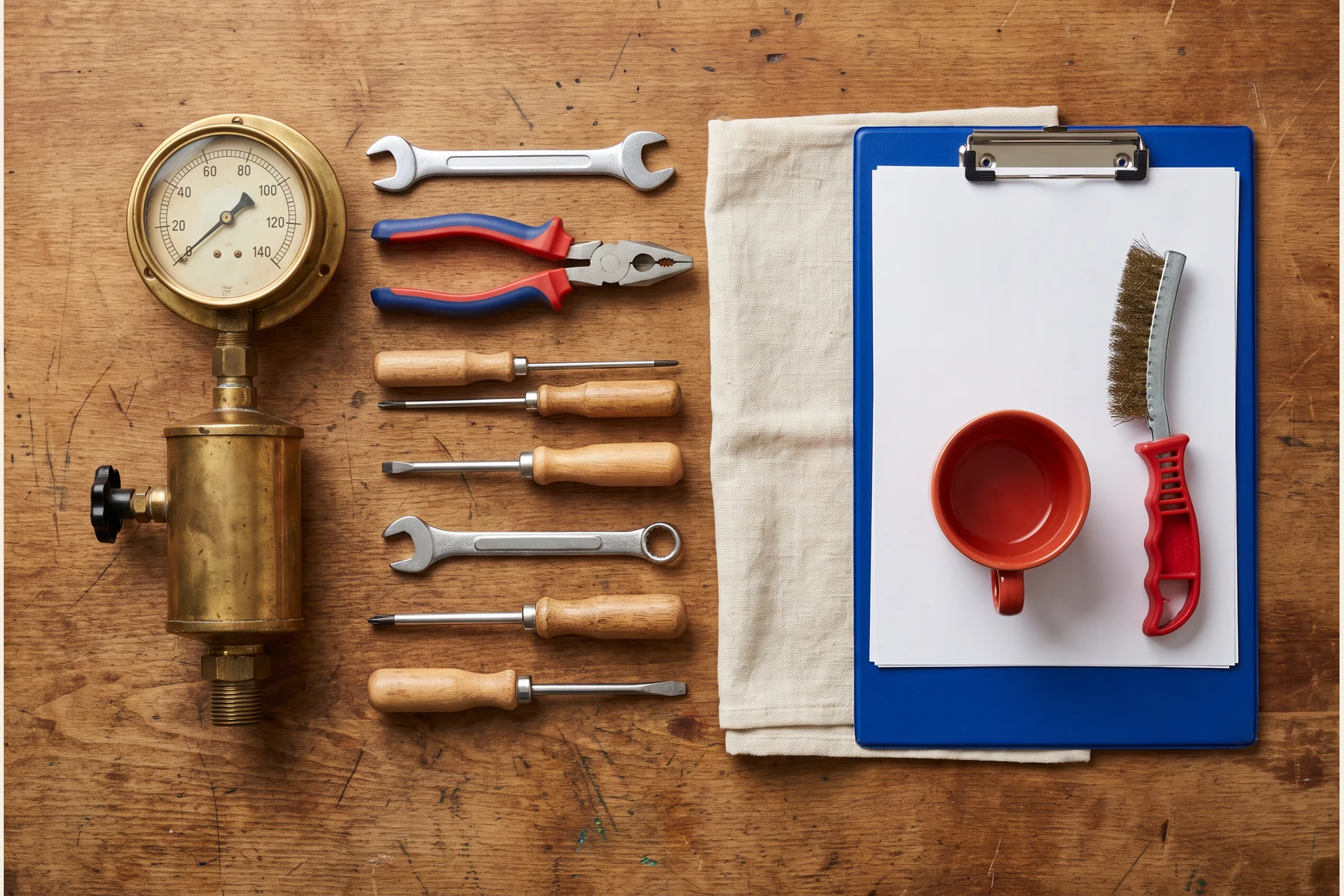
Workshop log, without the workshop
Learn the words, not the workaround.
Details like model, error message, location, intermittent, and visible leak give a professional useful context. They do not turn a homeowner into a technician—and that is the point.
- 01
Pattern — once, often, always, or only under a particular ordinary use.
- 02
Boundary — what you could see without moving, opening, or touching an internal part.
- 03
Decision — whether you stopped use and why. Safety decisions are worth reporting.
Room-by-room margin notes
Where you notice it changes what you record.
| Room | A safe note to make | Pause and seek qualified help if… | Avoid |
|---|---|---|---|
| Kitchen | Which fridge compartment, stove zone, or oven function is affected; any display message. | There is gas smell, smoke, sparking, overheating, a damaged lead, or unusual flame behavior. | Opening appliance panels or trying to adjust gas or electrical parts. |
| Utility room | Whether heat or hot water changed, and when you first noticed it. | There is a gas smell, soot, smoke, alarming noise, a visible leak near electrics, or anyone feels unwell. | Removing boiler or heater covers, relighting, or repeated resetting. |
| Cupboard / garage | Appliance make, a display message, and the accessible route a visitor may need. | There is damp around electrical equipment, a burning smell, corrosion, or visible damage. | Moving an appliance alone, probing vents, or dismantling panels. |
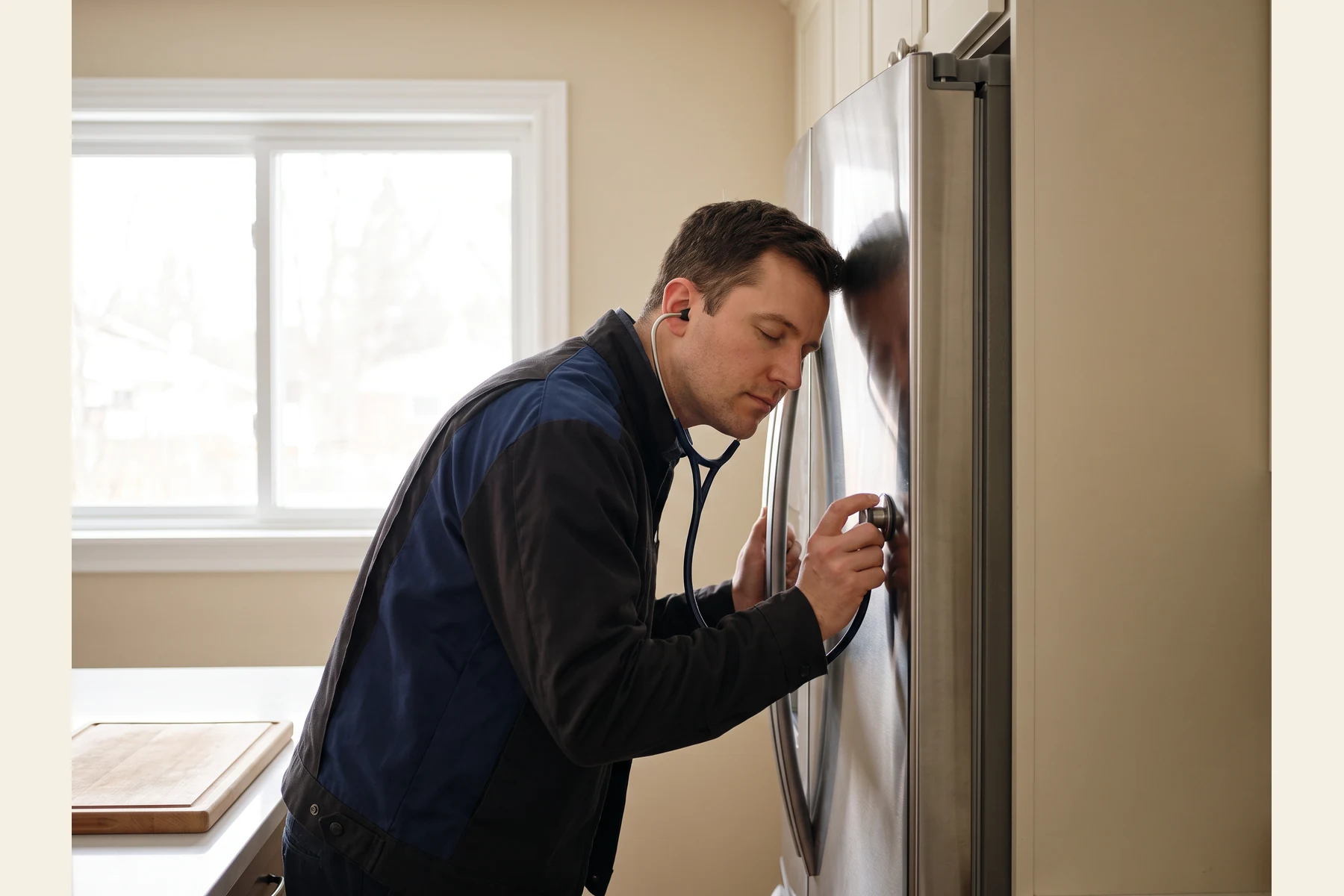
No promises, just good questions
What a qualified visit should clarify
- 01
Scope: what the professional can assess safely and what information they need from you.
- 02
Finding: what they observed, what is uncertain, and whether further checks are appropriate.
- 03
Options: what any proposed work involves, who is qualified to do it, and what you should consider before agreeing.
- 04
Next step: what to avoid using in the meantime, if relevant, and how to document the result.
Wexaneli does not provide repairs, take payments, make bookings, or promise a response time.
A house is made of ordinary moments
Keep the note small. Keep the boundary clear.
There is no prize for pushing through uncertainty. A safe pause and a precise observation can be more useful than a hopeful fix.

Frequently asked questions
Notes from the margin.
These are information notes, not instructions for working on an appliance.
Leave a reading note
A small message desk.
If you spot an error in our general information, you can send a browser-only note. We cannot triage hazards, offer repair instructions, or promise a reply.